How long does a concrete floor coating last?
It depends on prep, product, and how much traffic the floor sees. A well-prepped slab in light use can last many years. Ask the provider what to expect and what the warranty covers.
Request an estimate today
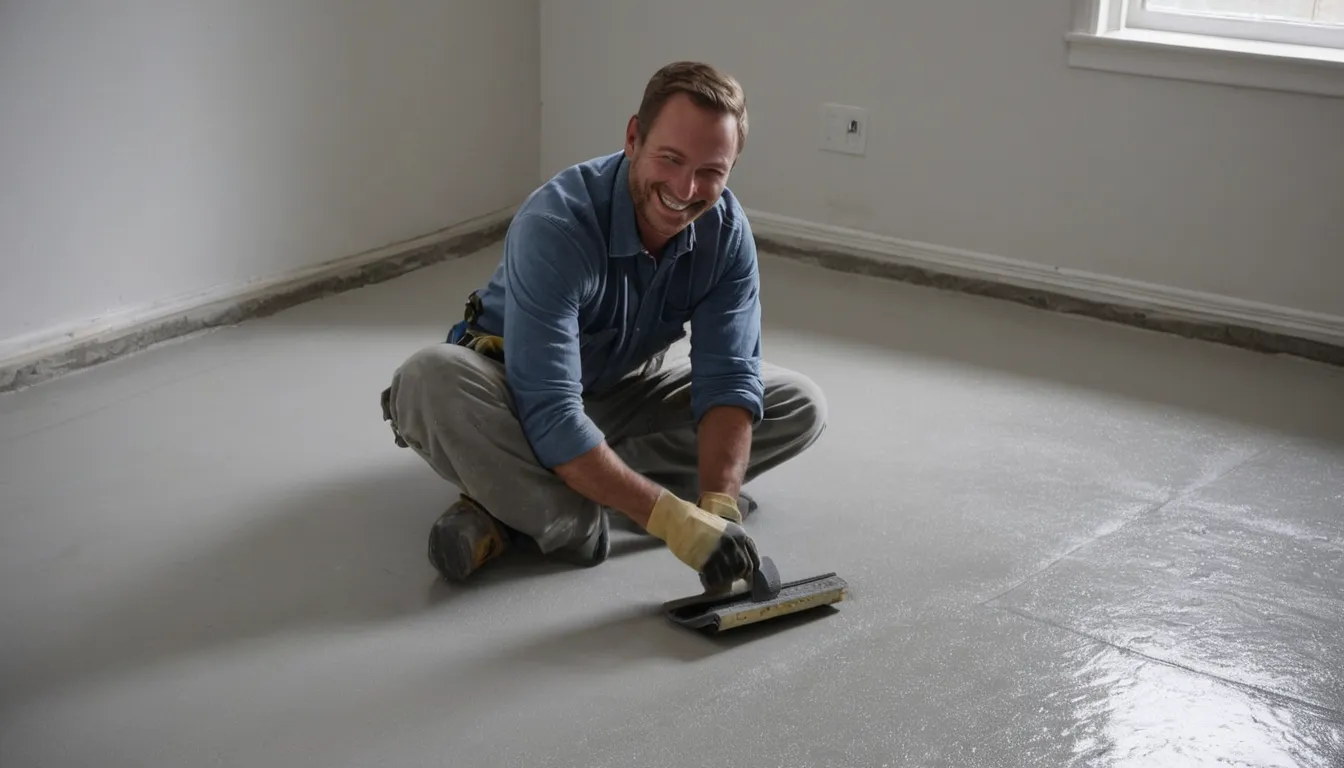
Bare concrete takes a beating. Salt, spills, damp air, and cold winters leave it dusty, stained, and cracked. A coating adds a protective layer that is easier to clean and nicer to look at. Many homeowners start thinking about it when old paint begins to peel.
Positionsid Floor Coating is a referral service. We do not coat floors. We connect homeowners around the Bowie area with independent local providers in our network. You send an estimate request, a provider reviews your slab, and you get the materials, prep, and price in writing. Estimate first, phone second.
Dust on your shoes, flaking paint, and dark stains all say the same thing. Your slab wants a protective layer. Positionsid Floor Coating is a referral service, so we do not do the work. We connect you with independent local providers in our network who handle concrete coating.
Small flaws on a slab grow slowly, then faster. A hairline crack takes in water. Winter cold cycles pry it wider. Humid summers leave damp air sitting on bare concrete. A provider who looks early may have simpler fixes to offer.
Many colonial and split-level homes have a basement with a plain gray slab. Moisture is the first question here. A provider may test the concrete before suggesting a product. Some basements suit a coating well. Others need extra steps first. Ask which one yours is.
Outdoor concrete deals with rain, sun, and cold. Providers can talk about coatings made for outdoor use. Grip matters too, since wet steps get slick. Ask about a textured finish when you request an estimate.
Tools drop. Fluids spill. Carts roll back and forth. A tough concrete coating can handle that kind of use. Providers may suggest thicker systems or added grip for a busy workspace. Garage slabs have their own page about epoxy garage floors.
Utility rooms and enclosed porches get wet now and then. Older homes may have aging cast-iron or galvanized pipes nearby. A coating makes cleanup easier. It will not fix a leaking pipe, so repair any leak first.
Some providers in our network also handle other flooring work, such as hardwood flooring installation for rooms upstairs. Mention it when you request an estimate.
Every provider has their own method. Most jobs follow the same basic path.
The slab is cleaned and usually ground to open the surface. Cracks and chips get filled. Good prep decides how long a coating lasts.
A primer goes down, then the main coat. A clear topcoat often follows for wear and shine. Your provider can explain which layers they plan to use.
Coatings need time to harden before use. Cure times depend on the product, the weather, and the room. Ask for the timeline in writing.
A sealer soaks into the concrete and gives light protection. A coating builds a film on top. That film adds color, resists stains, and handles heavier use. If your slab is in good shape and sees little traffic, a sealer might be enough. A provider can help you choose.
Concrete coating does not have to look plain. Providers may offer solid colors, decorative flakes, quartz blends, or metallic looks. Custom floor finishes can match a basement den, a studio, or a covered patio. Ask to see samples before you decide.
Care is simple. Sweep often and mop with mild cleaner. Wipe spills when you see them. Use mats at doors to catch grit and winter salt. Skip harsh scrapers and heavy dragging. Your provider can share care tips for the product they use.
Here is how it works. You send a request or use the phone. We pass your details to a provider in our network. That provider is independent and does the work. They set the price and the schedule. Call hours vary by provider, so the form is often the easiest first step.
Request a callback to check provider availability if you would rather talk it through.
Providers clean, grind, and fill cracks so the coating can bond to the slab.
A primer and main coat go on in layers, in a color or finish you choose.
A clear topcoat adds wear resistance and makes everyday cleaning easier on the finished floor.
Ask the provider to list materials, prep steps, and total price before work begins.
These are typical U.S. ranges, and they vary by job. Slab condition, size, product, and finish all change the price. Get a written quote from the provider before you agree to any work.
| Item | Typical range | Notes |
|---|---|---|
| Basic coating, per sq. ft. | $3 – $7 | Simple color coat on a sound slab |
| Decorative flake or quartz, per sq. ft. | $5 – $12 | Adds texture and a custom look |
| Crack and pitting repair | $100 – $800 | Depends on how much damage there is |
| Basement slab, typical size | $1,500 – $5,000 | Moisture steps may add cost |
| Patio or porch slab | $1,000 – $4,000 | Outdoor-rated products and grip finish |
| Old paint or coating removal | $1 – $4 per sq. ft. | Needed when old layers are peeling |
Tell us about your room, your slab, and what you want it to look like. Add any photos you have.
We route your details to an independent provider in our network near Bowie.
The provider explains prep, materials, timing, and price. Ask questions before you agree.
Pick a date that works for your home. The provider then handles the work.
Send a request when it suits you. Use the phone as a backup if you prefer to talk.
The providers in our network are local and independent. They do the work and set the price.
Positionsid Floor Coating connects you and explains the process. We never do the work ourselves.
One request reaches a local provider, so you spend less time comparing and more time deciding.
Send an estimate request or email contact@positionsid.lat. A provider in our network can follow up. Request a callback to check provider availability.
No obligationIt depends on prep, product, and how much traffic the floor sees. A well-prepped slab in light use can last many years. Ask the provider what to expect and what the warranty covers.
Sometimes. A provider usually checks moisture first. Some slabs need extra steps or a different product. Fix any leaks before coating, and ask what the provider recommends.
No. A sealer soaks in and gives light protection. A coating forms a film on top that adds color, stain resistance, and tougher wear. A provider can tell you which one suits your slab.
Send an estimate request or email contact@positionsid.lat. A provider in our network can follow up. Request a callback to check provider availability.
No obligation