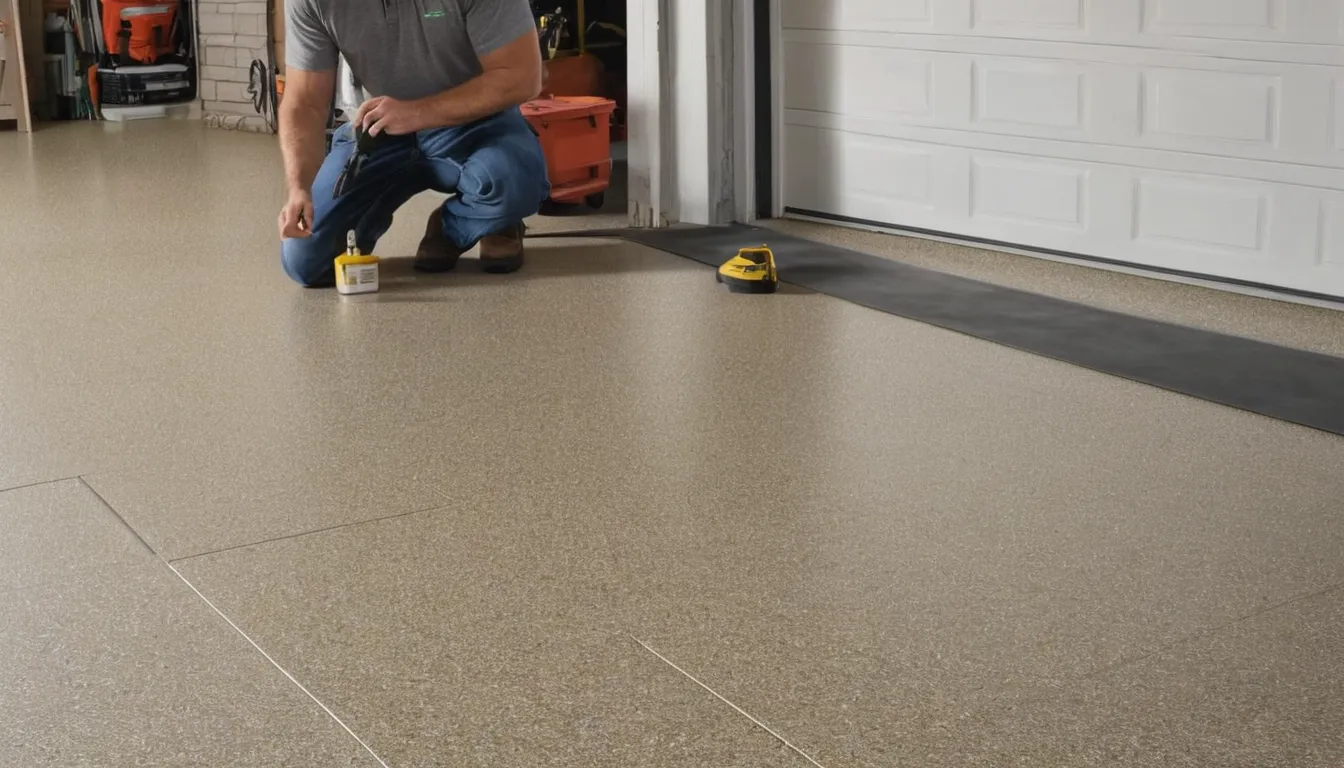
Polyaspartic is a tough, clear-to-colored floor coating that cures much faster than traditional epoxy. Homeowners around the Bowie area often choose it for garages, because the floor can go back into use sooner and the finish stands up to tires, salt, and sun. It also works on patios, basements, and workshop slabs.
Positionsid Floor Coating is a referral service. We do not coat floors ourselves. We connect you with independent local providers in our network, and the provider you choose does the prep, the coating, and the cleanup. Start with an estimate request, then let the provider explain materials, timing, and price in writing.
Need Your Garage Floor Back Soon?
Polyaspartic is what many homeowners ask about when they cannot wait long. Maybe the old coat is peeling. Maybe a bare slab is dusting up your shoes and your car. Maybe guests are coming and the garage looks rough.
This page covers what polyaspartic is, how the job goes, and what to ask before you say yes. Positionsid Floor Coating is a referral service, and the independent provider does the work.
Request Help
How Polyaspartic Differs From Epoxy
Both are resin coatings for concrete. They behave differently once mixed and rolled out.
Epoxy is thick, strong, and slower to cure. Polyaspartic cures quickly, stays clear if you want it clear, and resists yellowing from sunlight. It also tolerates cooler slabs better, which matters in a region with real winters.
Many people still love classic epoxy garage floors for the build and the price. Polyaspartic is simply another tool, and the right pick depends on your slab and your schedule.
Full Polyaspartic or a Hybrid System?
A provider may offer two paths.
Full polyaspartic
Every layer is polyaspartic. It is quick and very UV stable, but it costs more and has less working time on the day.
Hybrid system
An epoxy base goes down first, then a polyaspartic topcoat. You get a thick, well-bonded base and a hard, clear, sun-stable finish on top. For many garages this is a sensible middle road.
Ask the provider which one they would pick for your slab, and why.
How the Job Usually Goes
Prep comes first
The provider checks the concrete for cracks, oil, moisture, and old coatings. Most then grind the surface with a diamond tool so the new layer can grip. Cracks and chips get filled before any coating goes on.
Coating and flakes
The base coat is rolled out, and decorative flakes are often broadcast into it. Because polyaspartic sets up quickly, installers work in sections and keep moving.
Topcoat and cure
A clear topcoat seals the flakes and adds shine or grip. Cure times vary by product, weather, and thickness, so ask when you can walk on it and when you can park on it.
Where It Works Well
Garages are the usual starting point. Polyaspartic also suits:
- Basement floors that stay dry
- Covered porches and patios
- Workshops and utility rooms
- Shaded breezeways and entry slabs
It is a concrete coating, so it needs a sound slab. If you also have wood floors upstairs, some providers in our network handle other flooring work too, including hardwood flooring installation. Mention it when you request your estimate.
Weather and Timing Around Here
Humid summers and freeze-thaw winters are hard on bare concrete. Moisture creeps up through slabs, and salt tracked in from the road eats at the surface.
Polyaspartic can be applied in a wider temperature range than many coatings, which is one reason people like it for shoulder seasons. Very damp slabs and high humidity can still cause trouble, so a good provider will test moisture first. Providers set their own schedules, so ask what is open in your area.
Request Help
Choosing Colors and Flake Blends
This is the fun part. Flake blends hide dust, small spills, and tire marks. Light grays and tans brighten a dim garage. Darker blends hide dirt but show dust.
Many providers also offer custom floor finishes, such as metallic looks, solid colors, or a pattern around a workbench. Ask to see a sample board in your own garage light before you decide.
Caring for a Polyaspartic Floor
Care is simple. Sweep or dust mop often. Wash with a mild cleaner and a soft mop or deck brush. Wipe up oil and road salt slush when you can.
Avoid harsh solvents and steel-wire brushes. Use mats under bike stands and jack stands. Ask the provider for written care steps and what the warranty covers, if any.
Questions to Ask the Provider
- How will you prep my slab, and will you grind it?
- Is this a full polyaspartic or a hybrid system?
- How will you check for moisture?
- How many coats, and how thick?
- When can I walk on it, and when can I park on it?
- What is written in the warranty, and what voids it?
- What is the total price, in writing?
How This Referral Works
You send an estimate request or call the number on this page. Positionsid Floor Coating routes your request to an independent provider in our network. That provider contacts you, looks at the job, and sets the price and schedule. Floors, sorted locally.
Request a callback to check provider availability if you would rather talk first.
Request Help
What's Included
Surface Prep
Diamond grinding, crack filling, and cleaning so the coating bonds to your concrete.
Color and Flakes
Choose solid color, flake blends, or metallic looks, with a clear protective topcoat.
Hybrid Or Full
Providers can quote a full polyaspartic system or an epoxy base with a polyaspartic topcoat.
Cleanup
The provider removes debris and explains cure time and care before leaving.
What Polyaspartic Floors Typically Cost
Prices depend on slab condition, size, system type, and finish. These are typical U.S. ranges, not quotes. Ask the provider for a written estimate that lists prep, materials, and every coat.
| Item | Typical range | Notes |
|---|
| Polyaspartic coating, per sq ft | $5 – $12 | Varies by system and flakes |
| One-car garage (about 200 sq ft) | $1,500 – $3,000 | Depends on prep and finish |
| Two-car garage (about 400 sq ft) | $3,000 – $6,000 | Most common garage size |
| Hybrid epoxy and polyaspartic, per sq ft | $4 – $9 | Epoxy base, polyaspartic topcoat |
| Crack and pitting repair | $100 – $600 | Based on how much damage exists |
| Decorative flake or metallic add-on | $1 – $4 per sq ft | Adds color, grip, and depth |
Request Help
How It Works
Send Your Request
Tell us your floor size, its condition, and what finish you want using the estimate form.
Get Matched Locally
Positionsid Floor Coating routes your request to an independent provider in our network near you.
Review The Written Quote
The provider explains prep, materials, timing, and total price before you agree.
Provider Does The Work
The provider preps, coats, and cleans up, then shares cure and care steps.
Why Call Positionsid Floor Coating
Plain Referral Model
We explain who we are, who does the work, and how your request is routed.
Independent Providers
Local providers in our network handle prep, coating, and cleanup, not Positionsid Floor Coating.
Estimate First
Send a request, then use the phone as backup if you prefer.
Less Searching
One form reaches a local provider, so you skip the endless browsing.
Other Services